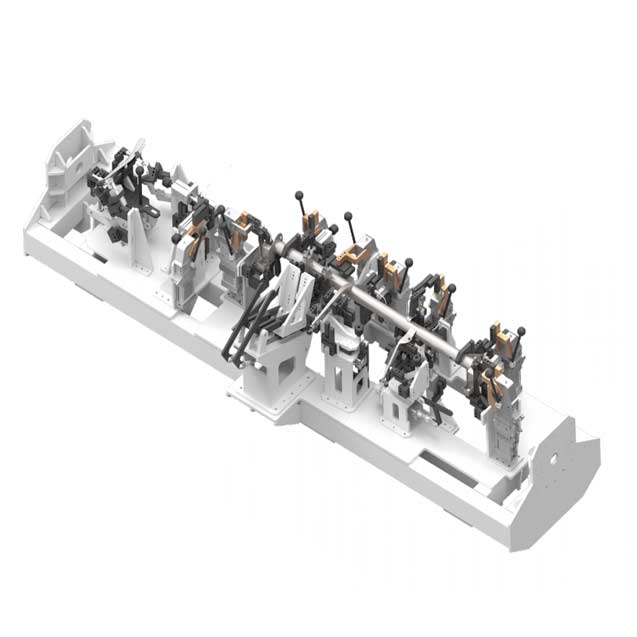
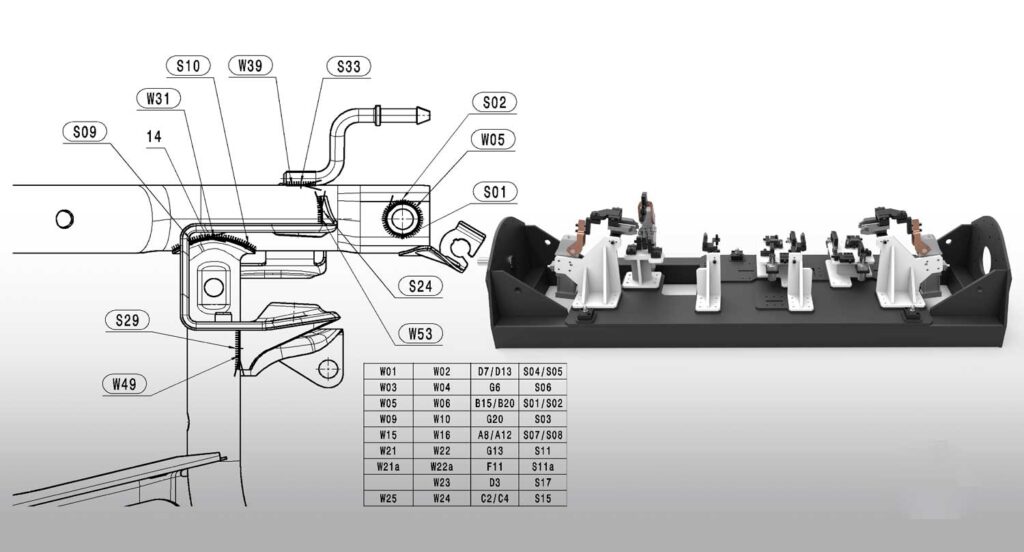
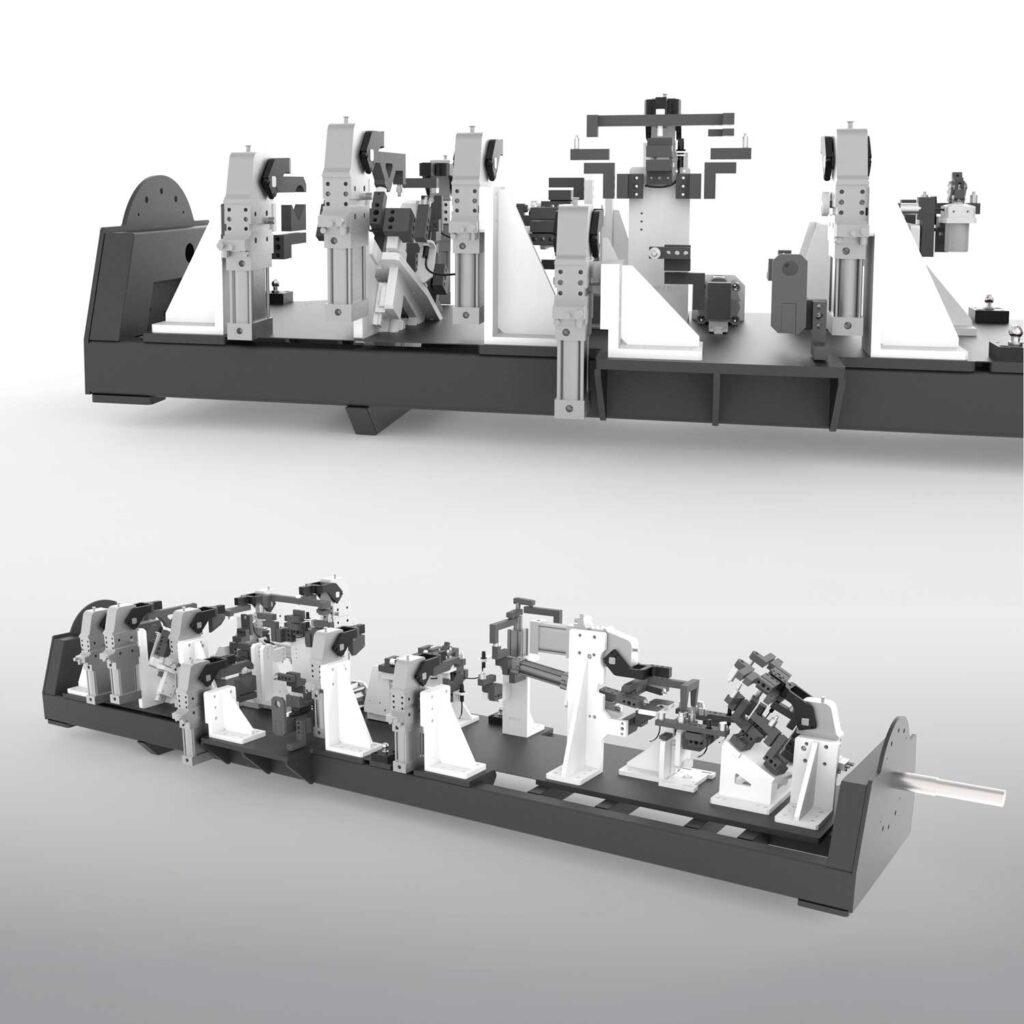
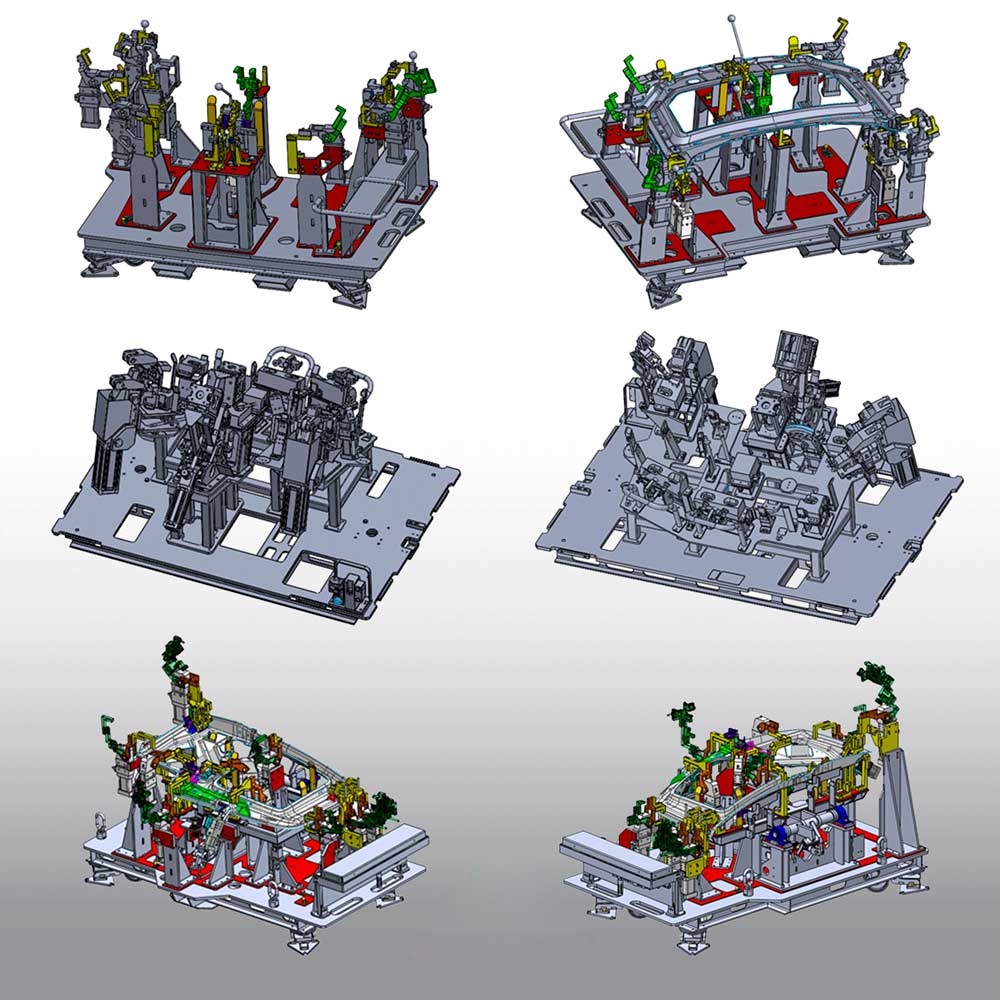
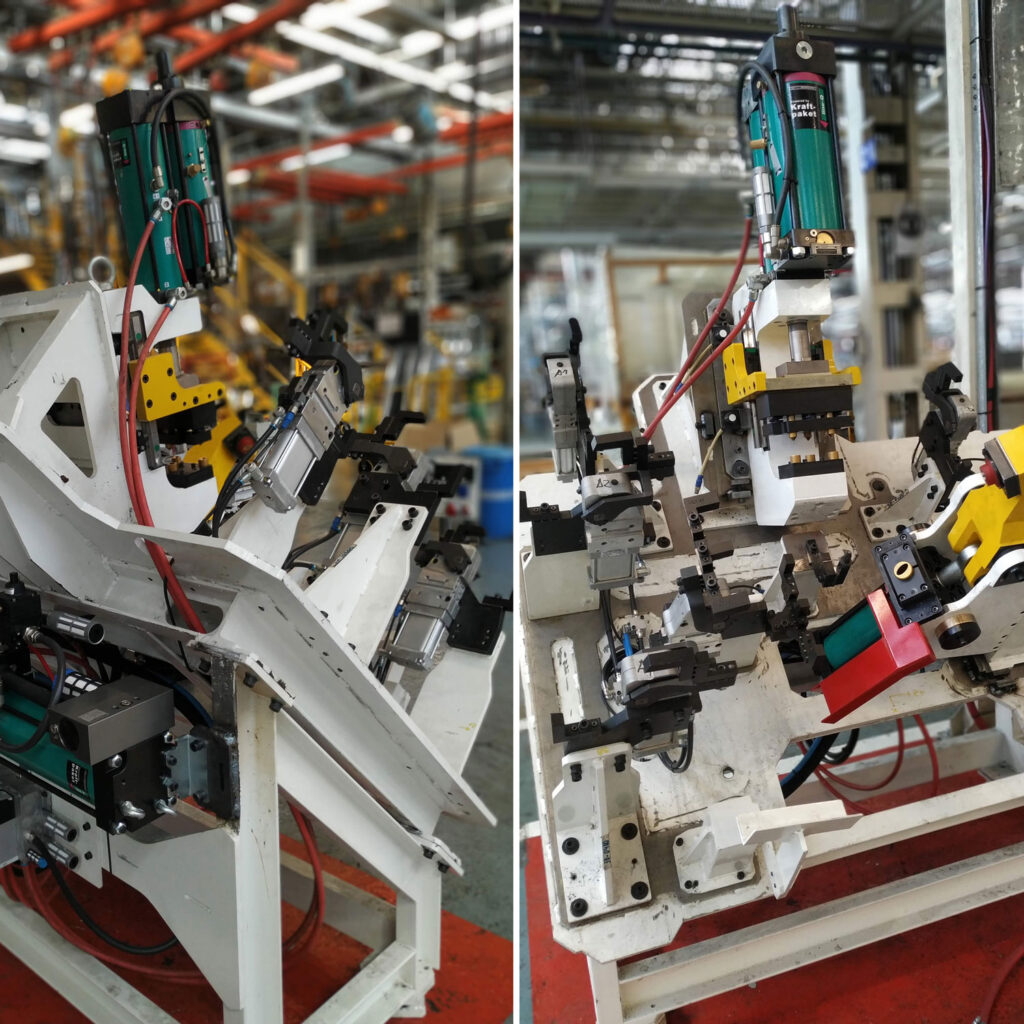
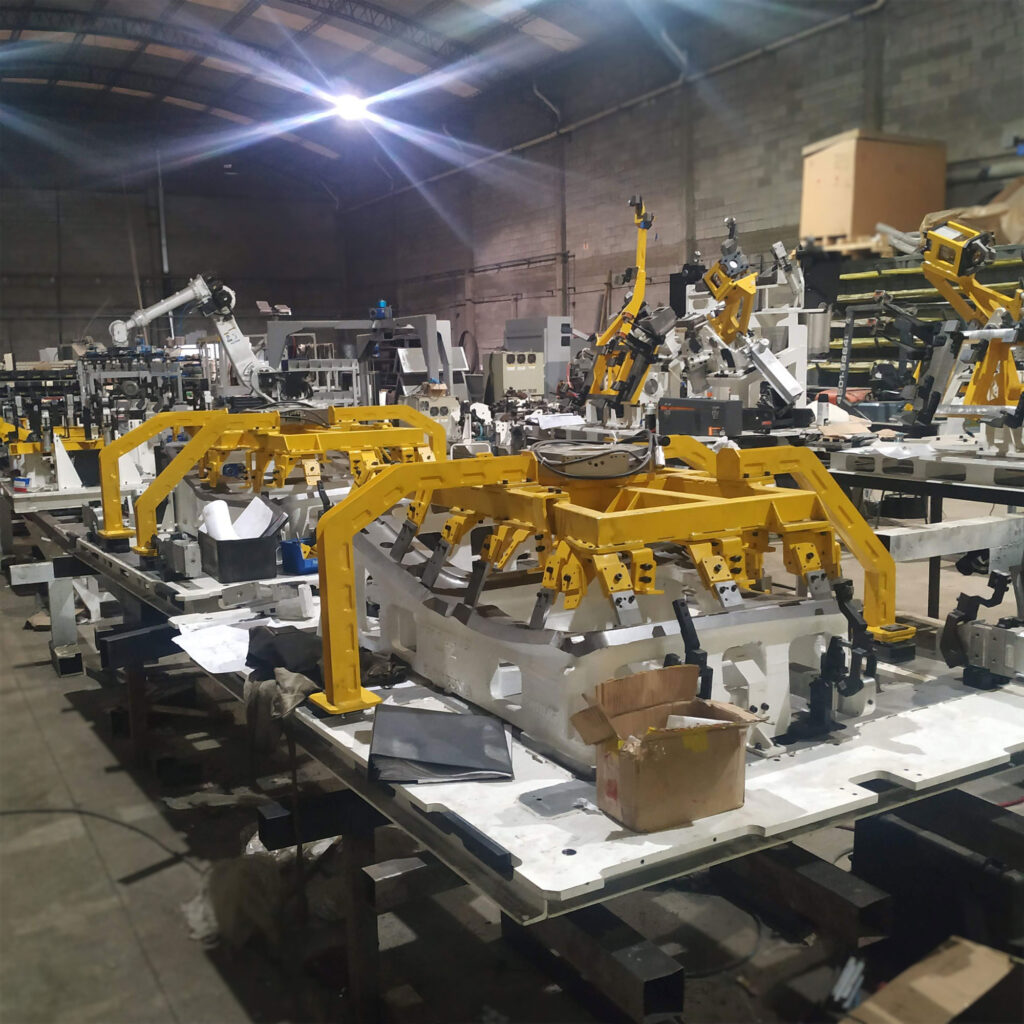
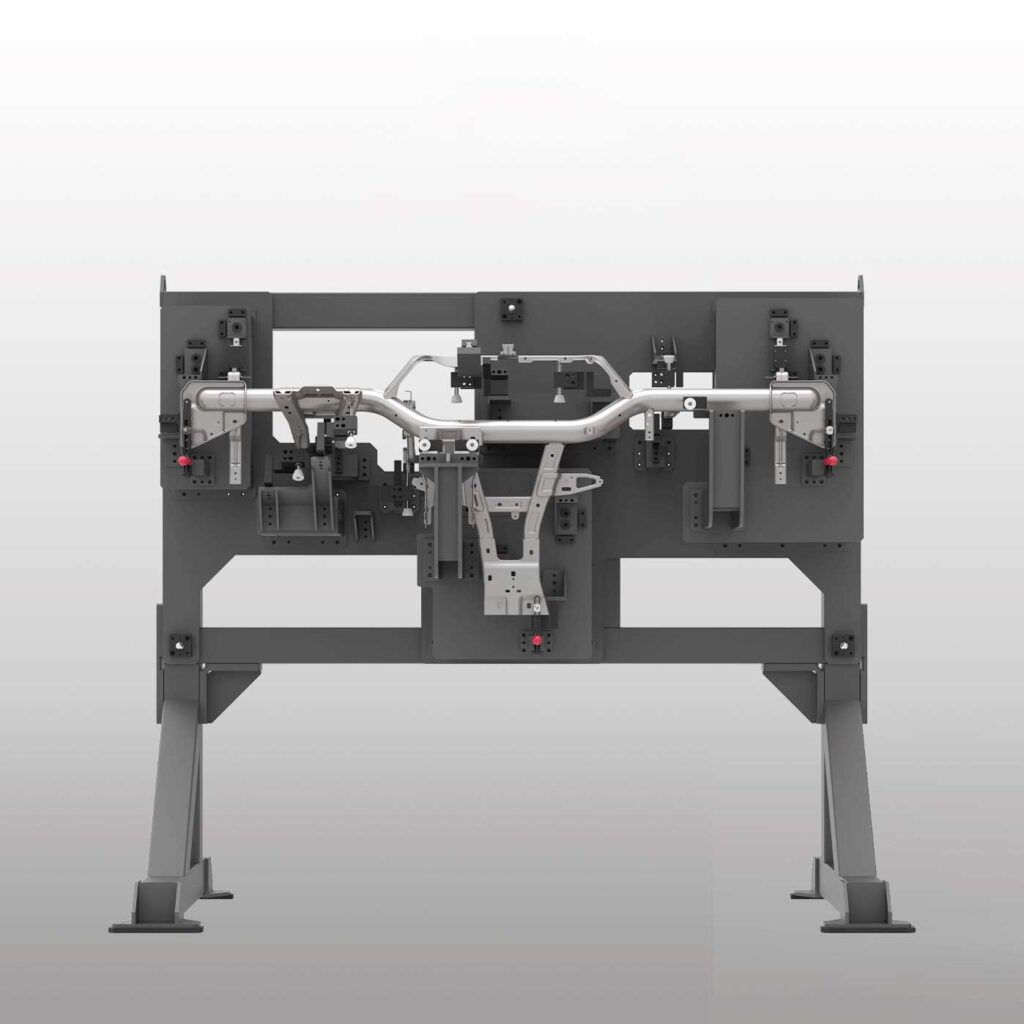
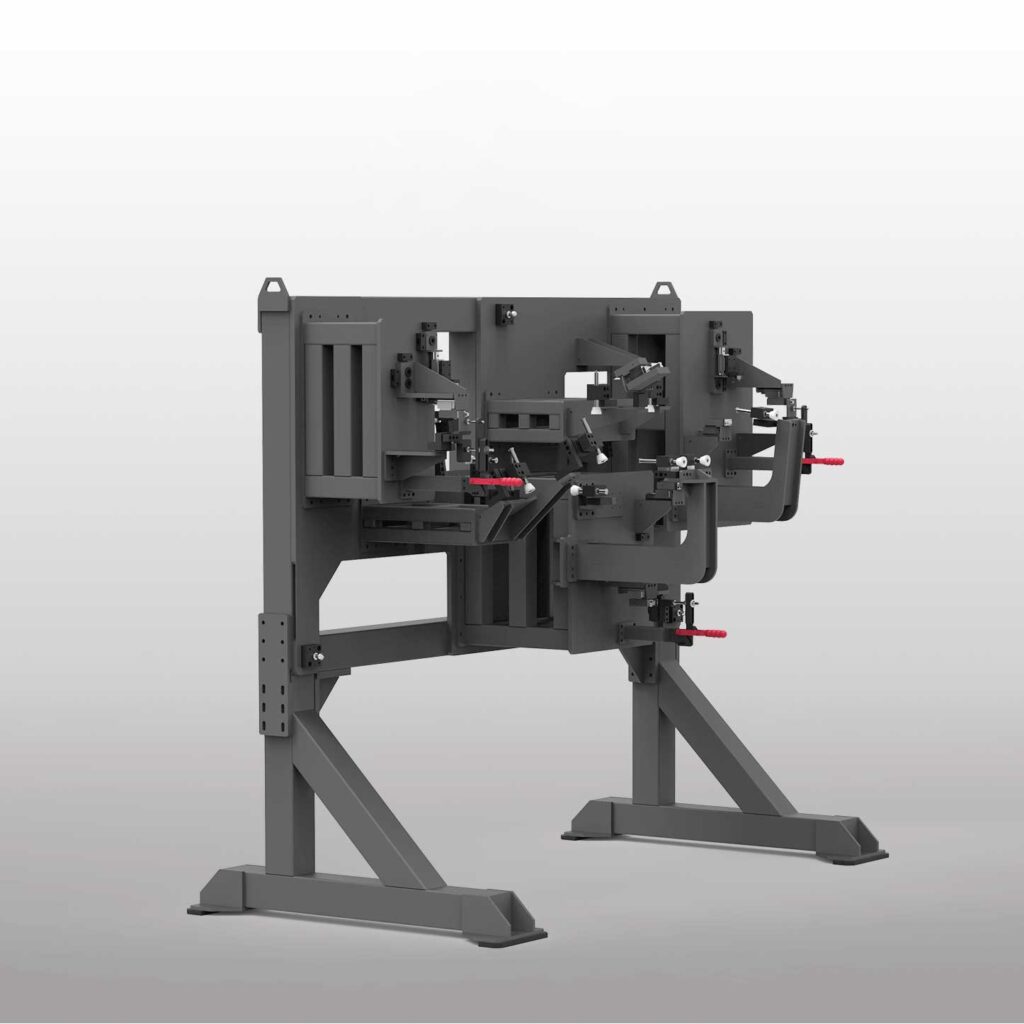
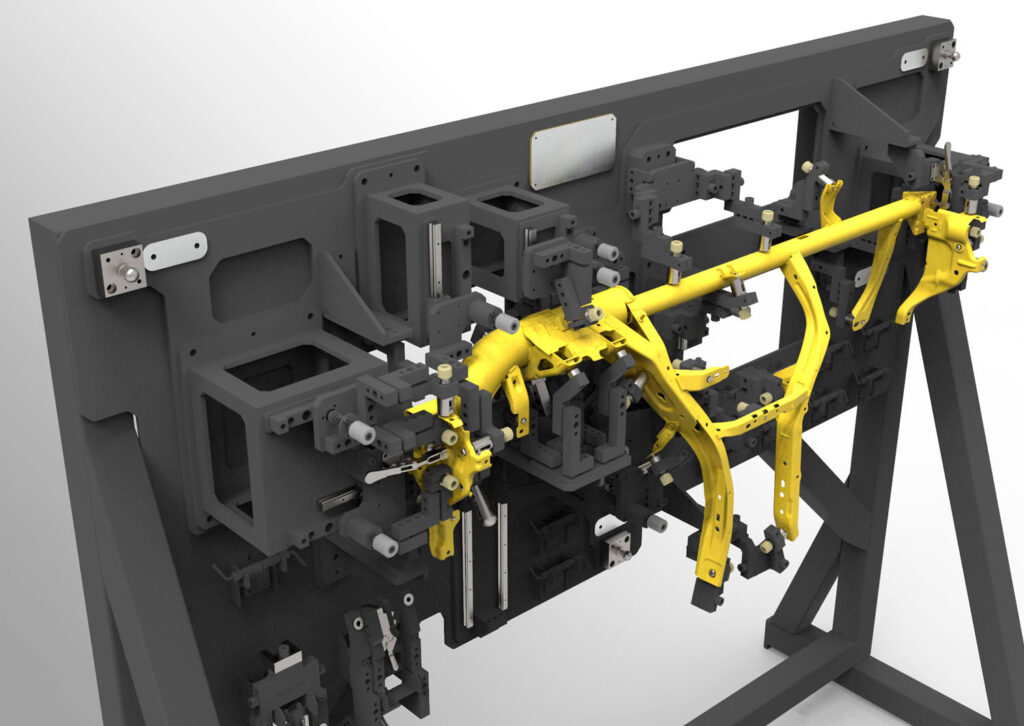
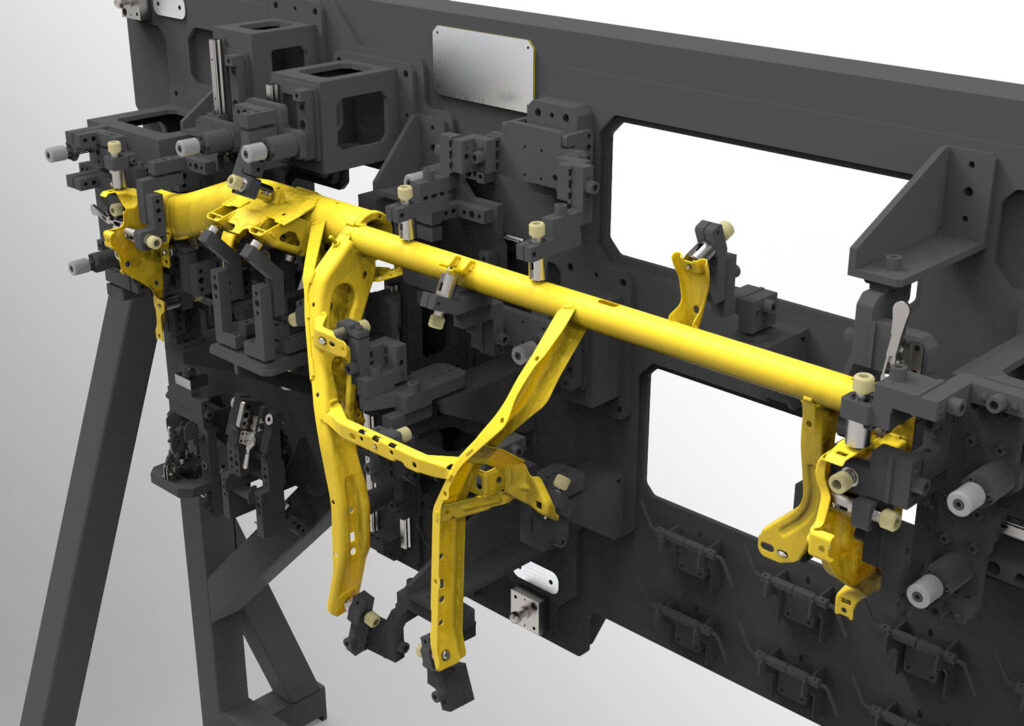
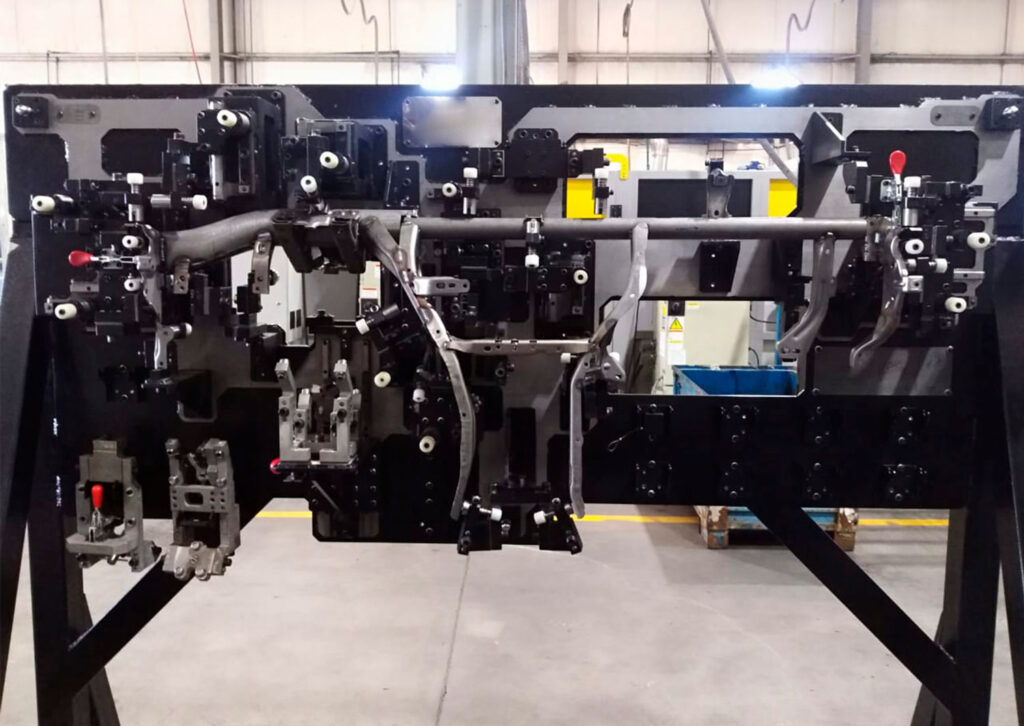
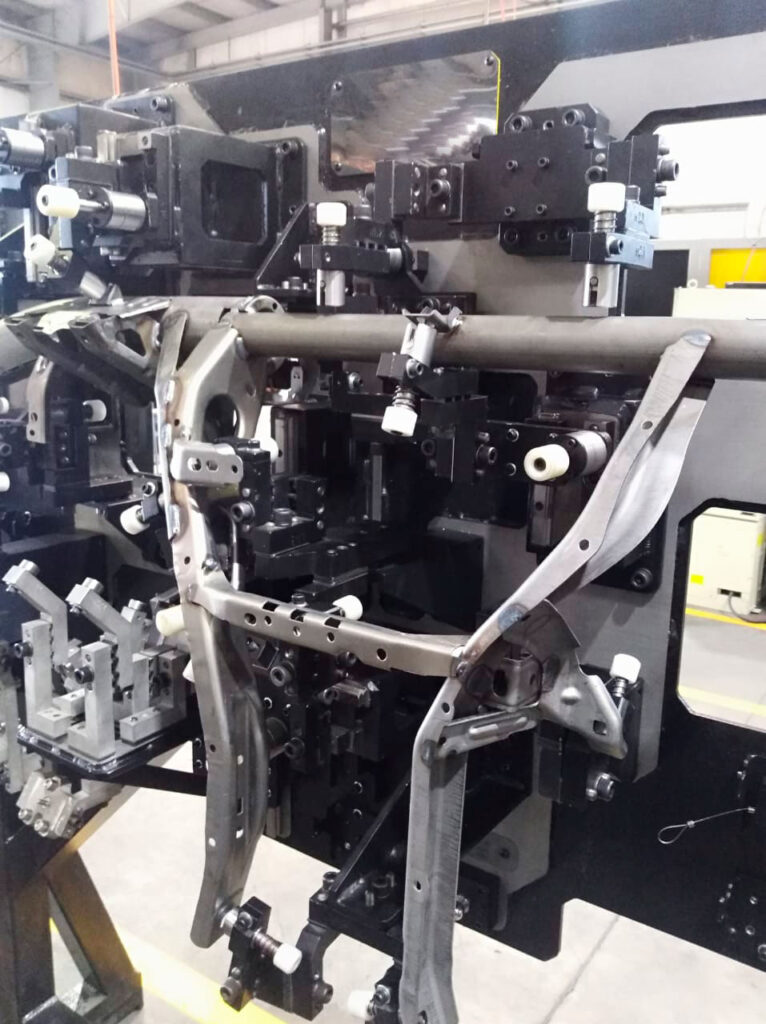
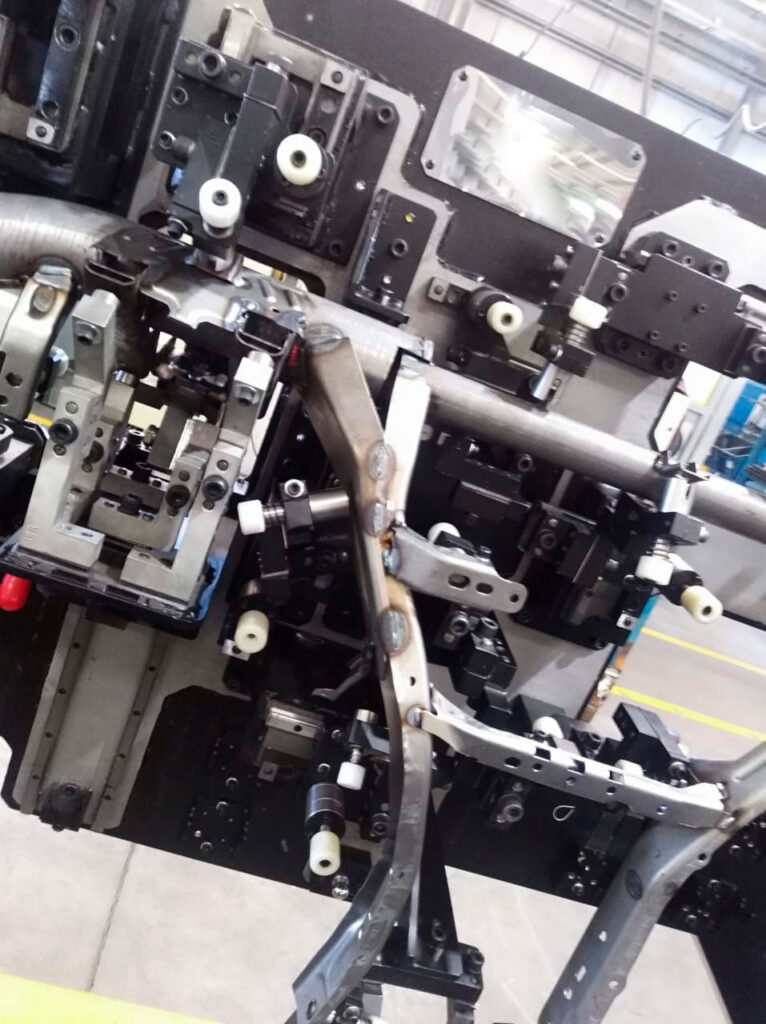
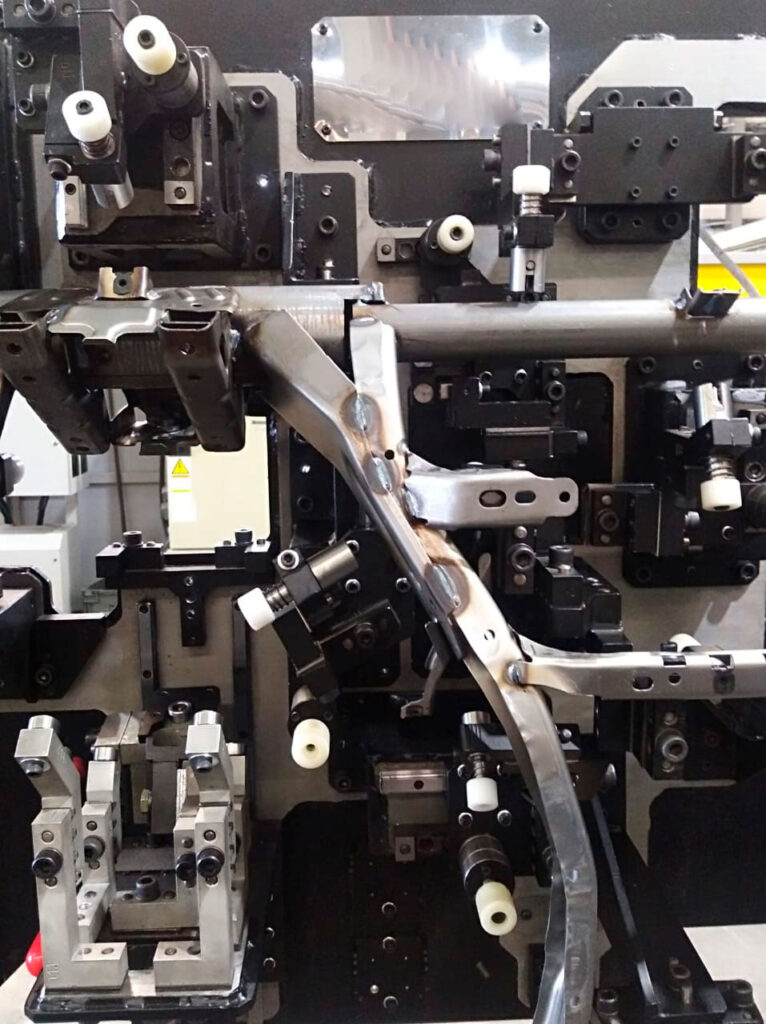
Our engineering department comprehensively develops all kinds of devices for assembly, welding, bonding, cutting or other operations required by the project.
According to the needs and budget of the client, manual or automatic devices can be made, with simple mechanical systems or complex systems of the hydraulic or pneumatic type, type Tunker or SMC. The materials used for manufacturing are of the highest quality and the components are from brands with worldwide recognition.
Analysis and planning
Based on the project information provided by the client, the 3D parts to be welded, cut or assembled, the project planning is carried out.
3D software design
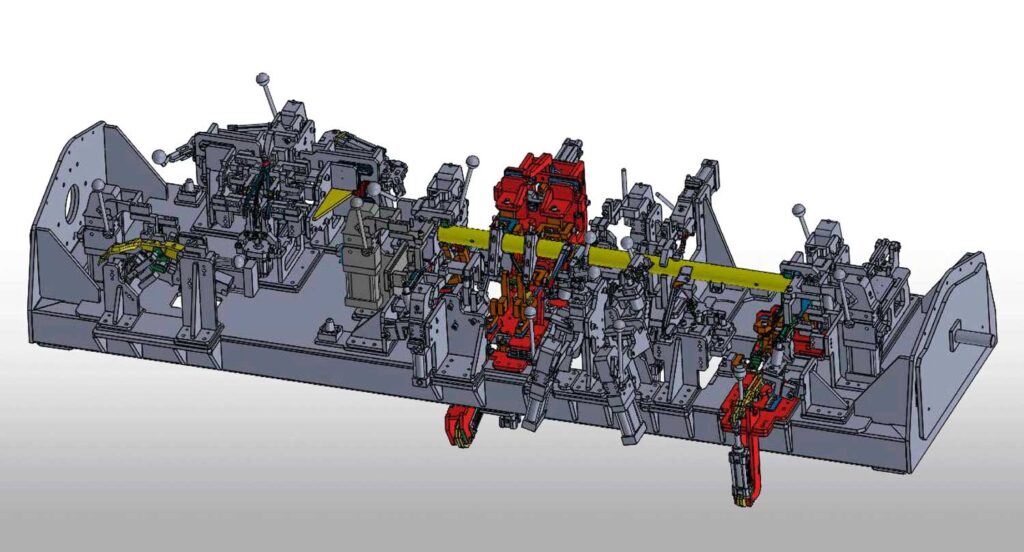
Based on the project information provided by the client, the 3D parts to be welded, cut or assembled, the project planning is carried out.
DTPS simulation
A simulation of process times is carried out, and access analysis of the robot or operator to all the operating points of the device is carried out through the use of specific software.
Correction and approval of the project
The design is presented to the client and the simulations carried out for the time analysis, it is evaluated and the modifications that are necessary to achieve project approval and begin manufacturing.
Manufacturing
Laser cut
Waterjet
Machining
Dimensional measurement and correction
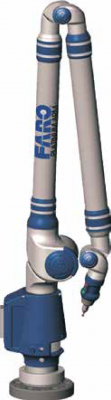
Dimensional correction with FARO PLATINUM measuring arm and MITUTOYO CNC
Regulation in the 3 axes through the use of supplements.
Try out corroboration with gauge
Device test cycle. In-plant welding series. Manufacture of gauge for dimensional verification.
Gauges
We design and manufacture special control gauges for all types of parts with the required precision. Through the use of gauges, different types of controls can be performed, such as dimensional, shape and conductivity control.
Shape and position control with Pass / No Pass (PNP) control points and comparators.
Control of fixing points and the geometry of the piece.
Control of surface deviations through game systems and leveling with gauges.